RB Fashion & Beauty Hub Beauty Remedies for Healing Cracked Feet

Remedies for Healing Cracked Feet

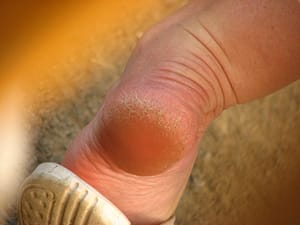
Cracks within the feet are common. There is no need for a survey to determine the numbers as this is experienced everywhere. The condition can occur in both children and adults, and surprisingly affects more women than men. For a majority of people with cracked heels, the condition is not that serious. Discomfort might arise when walking barefoot. In special cases, the skin cracks might be quite deep and result in pain. Take time to read on and learn the best remedies when treating or preventing cracks in the heel.
 

walkingUse of Home Treatment Remedies on Cracked Heels

For starters, you can opt for thick moisturizers or heel balms. The first treatment recommended is the heel balm. It contains ingredients that soften, moisturize, and exfoliate any dead skin. Some of these ingredients are salicylic acid, urea and saccharide isomerates. The heel balms are available in the drug stores or over the counters.


Tips that are Helpful when Treating Cracked Heels

Start by applying balm in the mornings as it increases the skin elasticity. Next moisturize it twice or thrice a day after which wear protective shoes on your heel. Some heel balms result in irritation or stinging which is quite normal. Begin by consulting your doctor if the condition worsens or becomes bothersome. Severe cases might require steroid cream or strength balm which reduces inflammation and relieves itching.


Soaking and Exfoliation

The skin surrounding your feet is thicker and much drier than the surrounding areas. This begins to split once you start exerting pressure. Soaking and moisturizing your feet can help here. For the right soak; dip your feet into lukewarm soapy water for roughly 20 minutes. After which use a foot scrubber, loofah or pumice stone to scrub off the thick outer skin. Another option is to moisturize the heel sleeves which have a similar effect to the foot soaks. The sleeves act like socks containing therapeutic vitamins and oils capable of treating dry skin.

Liquid Bandage

Liquid bandage is recommended for sealing wounds and preventing further cracking or infections. The products might arrive as a spray which means one can go about their business without worrying about the bandage falling off. Liquid bandage is the best option when treating deep heel cracks that may result in bleeding. Apply the liquid bandage to clean, dry skin. Once the cracks start to heal, the coating forces itself onto the skin surface. The product is readily available online for purchase, without necessarily having to be prescribed. Others report success arising from skin cracks and super glue. The close is to crack edges time to coalesce and seal. However, remember that commercial super glue has some toxic ingredients and can be counterproductive. In that regard, it’s best to talk to your doctor instead on the best way to get rid of cracks in your feet.


cracked heelsNatural Remedies

Honey has been a naturally sourced feet crack remedy for years. Honey contains both antibacterial and antimicrobial properties. Research shows that it is capable of cleansing and healing wounds. Coconut oil too cuts. Within it is anti-inflammatory and antimicrobial properties that heals cracks prone to infections or bleeding.


Related Post

model with hat

Understanding The Benefits Of A Natural Facial CleanserUnderstanding The Benefits Of A Natural Facial Cleanser

If you want to achieve a fairer and youthful skin in a short period, you will need to use products that have been proven to work. With such products, you achieve not only a beautiful looking skin but also a proven effective and safe product.

Cosmetic facial cleansers

The mawoman with makeupjority of the facial cleansers currently on the market contain only about 2% of natural ingredients. A lot of people usually misunderstands the bluffs. They rarely understand the natural facial cleansers. You should understand that these natural products are made from safest ingredients, which are available on the market.

Harmful additives

Traditional cosmetic products contain mineral oils, parabens, and fragrances. You should note that mineral oil is a by-product of petroleum. As much as your skin may not absorb it, it contains toxins, which coat the outer layer of your skin surface. This prevents normal cycle that the human skin undergoes.

With continuous use, you may suffer from serious skin conditions, which often lead to skin cancer. Thus, you need to be extra careful when purchasing a skin care product.  You should be looking for products that contain natural ingredients.

Parabens

These are preservatives, which increase the shelf life of the facial cleansers. Since this ingredient is synthetic, it is likely to interfere with the different body functions. The fact that they are cheap, makes most manufacturers to use them in production of skincare products. They can also sell these facial cleansers at a cheap cost.

Fragrances

These are chmodel emicals, which are toxic and not good for the skin. They smell great, but risks and disadvantages at stake are quite evident. If you want to smell nice, you can use a natural perfume instead. By understanding the above ingredients, you can avoid skincare products, which contain them. It is time you understand what are the right ingredients for your products. When the products are blended, you will find natural skincare products, which suit your particular skin type.

Most natural facial cleansers, will contain ingredients like avocado, jojoba oil, honey, and other popular herbs. The good thing about these ingredients is that they help you have a healthy skin. Moreover, they will balance the natural moisture and boost collagen levels. This means that they will diminish wrinkles and fine lines and other aging signs.

How to Choose the Right Cap for Your Face ShapeHow to Choose the Right Cap for Your Face Shape

Choosing the right cap is about more than simply picking what looks stylish on the shelf. A cap can frame your face, highlight your features, and even change the overall impression of your appearance. The wrong style may throw off your proportions, while the right one can boost confidence and balance your look. Since everyone’s face is shaped differently, it’s important to understand which cap works best with your natural structure. Whether your face is oval, round square, diamond-shaped or heart-shaped, the right choice can make a big difference. This guide outlines five essential tips for matching cap styles to face shapes to find a look that feels natural and elevates your style.

Caps for Round Faces

round face

Round faces have softer edges and fairly equal width and height proportions. The key is to create more definition and elongate the appearance of the face. Structured caps like snapbacks or flat-brimmed hats work well, as their sharp lines offset the roundness. Baseball caps with a higher crown can also make the face appear longer, improving balance. On the other hand, floppy hats or caps with overly curved brims should be avoided, as they emphasize the circular shape rather than balancing it. By selecting a structured style, you can achieve a sharper, more defined overall look.

Caps for Oval Faces

Oval faces are usually considered the most adaptable because their balanced proportions pair well with nearly any cap style. Dad hats, trucker caps, beanies, or snapbacks all complement this shape, offering room to experiment with different looks. This versatility allows individuals with oval faces to focus more on personal taste, color, or current trends instead of worrying too much about shape compatibility. The only caution is to avoid caps that sit too high on the crown, as they may make the face look longer than it really is. By keeping the proportions in check, oval faces can enjoy maximum flexibility in style.

Caps for Square Faces

square

Square faces are characterized by strong jawlines and broad foreheads, which give off a bold, angular look. Curved brims or unstructured dad hats are excellent choices for softening these features. They help add smoothness and balance to the sharp lines of the face. Overly boxy or flat-brimmed caps, however, may enhance the already defined angles, making the face appear harsher. While such styles can work for bolder fashion statements, they don’t always achieve harmony. Opting for caps that follow a gentler flow allows square-faced individuals to highlight strength while maintaining a balanced, approachable appearance.

Caps for Heart-Shaped Faces

Heart-shaped faces feature a broad forehead that tapers down to a narrower chin. The aim is to minimize the width at the top of the face while drawing focus downward. Low-profile caps, visors, or trucker hats are ideal, as they reduce the prominence of the forehead and shift attention toward the eyes and cheekbones. Structured caps with high crowns, on the other hand, can emphasize the forehead more than necessary. Heart-shaped faces achieve a more proportional and visually balanced effect by choosing caps that sit lower and closer to the head.

Caps for Diamond Faces

Wider cheekbones with narrower foreheads and chins define diamond-shaped faces. The challenge is to balance out the midsection of the face by adding proportion at the top. Newsboy caps, medium-crown snapbacks, or bucket hats are excellent options because they provide subtle width and soften the prominence of the cheekbones. Tight-fitting or narrow-crown caps should be avoided, as they exaggerate the widest part of the face. Caps with a little volume or rounded structure deliver harmony, helping diamond-shaped faces appear more balanced and refined.

Finding the right cap involves more than grabbing what’s trendy—highlighting your best features and creating symmetry. Round faces look sharper with structured designs, oval faces enjoy the versatility of nearly any cap, square faces benefit from curved brims to soften strong angles, heart-shaped faces achieve balance with low-profile hats, and diamond faces shine with caps that add subtle width. By following these top five tips, you can choose caps that suit your face shape and bring out your confidence in every setting. A well-matched cap has the power to elevate your look and make your style both functional and fashionable.

Dermal Fillers – Brief OverviewDermal Fillers – Brief Overview

Dermal fillers are soft tissue fillers that are injected into the dermal area of the skin in cosmetic procedures. They are used to fill out skin areas. They may be used to fill in wrinkles in the face to ensure a smooth appearance. In the case of wrinkles, dermal fillers may be used in conjunction with anti-wrinkle injections like botulinum toxin.

Dermal fillers are safe cosmetic procedures. They gDermal Fillers  resultive patients skin an energetic and fresh look. Dermal fillers ultimately revitalize the patients’ overall look. Patients can identify a suitable Dermal Fillers clinic melbourne that falls into their budgetary constraints. The clinics will certainly ensure that patients get dermal fillers which will revitalize their cosmetic appearance.. These clinics have certified and medically trained staff to ensure patients are relaxed at every treatment stage.

Most dermal fillers are temporary. The body’s tissues eventually absorb them. Some patients may need more than one dermal filler injection to achieve a smooth effect on their wrinkles. The cosmetic effects of dermal fillers last about six months or longer.

The result of a cosmetic dermal filler procedure invariably depends on the skill of the doctor or cosmetic surgeon. Other factors that include the type of filler used and the health of the patient’s skin.

Materials Used In Dermal Fillers

Dermal fillers may be natural or synthetic. They may be composed of collagen tissue or hyaluronic acids obtained from cadavers, cows or pigs. They may also be synthetically generated in a laboratory environment.

Bio-synthetic materials may also be used as dermal fillers. Such polymers include polymethylmethacrylate, polylactic acid, and polycaprolactone.

Dermal fillers usually improve the overall appearance of the skin by:

  • Filling out wrinkled or thin lips. They fill out lips afflicted by collagen loss. This ensures that the patient’s lips have a plump and attractive appearance.
  • Filling in skin creases, wrinkles, and fine lines
  • Contouring areas of the face including the jawline
  • Improving skin imperfections caused by scar tissue
  • Plumping up the cheeks.

Associated Side Effects

When deDermal Fillers rmal fillers are not injected properly, there may be undesirable effects. The most common include redness, itching, bruising or pain. These effects are due to inflammations from improperly administered dermal fillers.

Less common undesirable effects of the procedure include lumps and scarring. Such results may require corrective surgical procedures. There may be allergic reactions or infections as a result of dermal fillers.